
TMJ
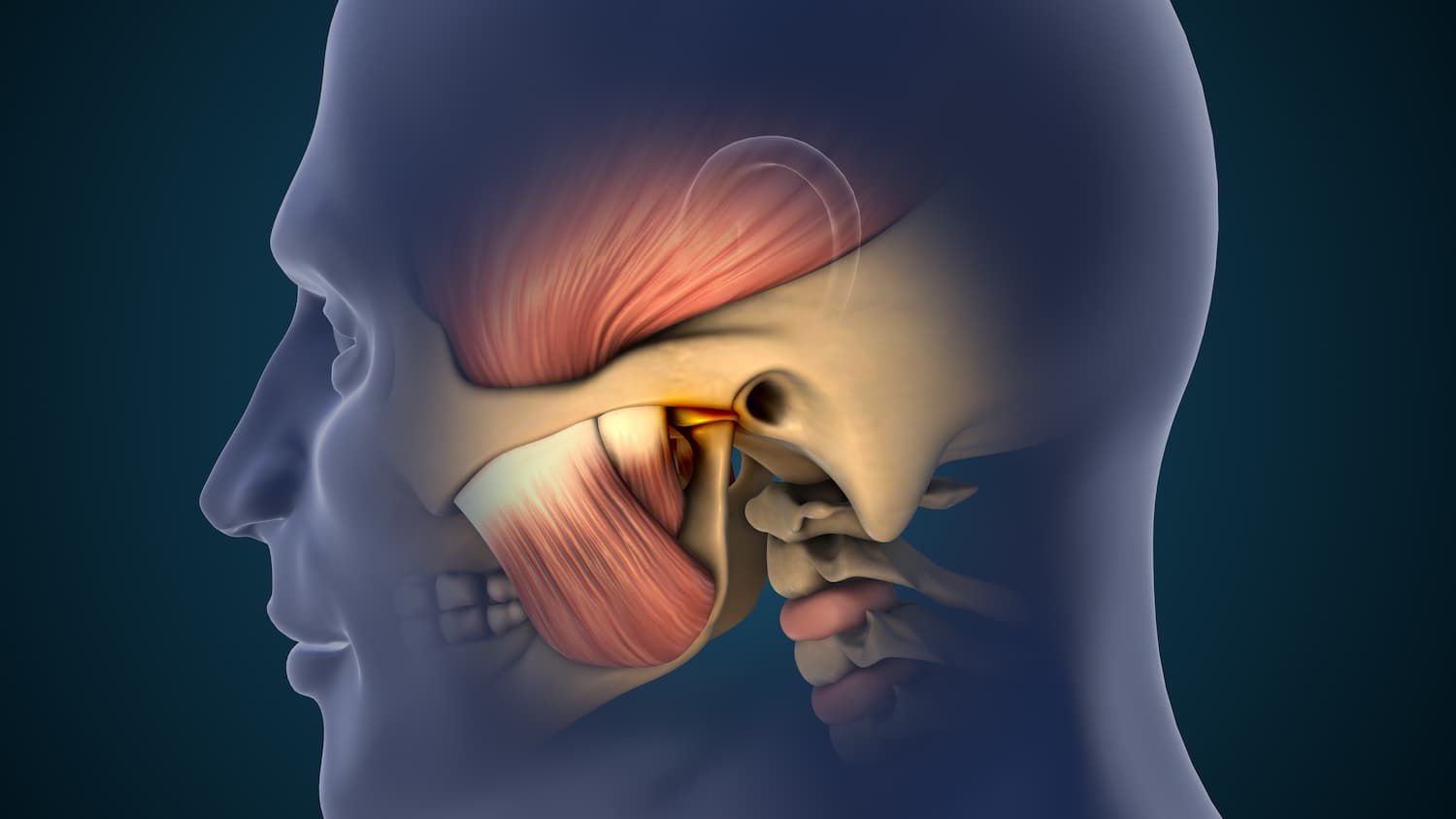
What is the temporomandibular joint (TMJ)?
The TMJ is located on either side of the face, at the junction of the temporal bone of the skull and the lower jaw, just in front of the ears. Therefore, each person has two TMJs.
These joints are essential for opening and closing the mouth, enabling chewing, swallowing, speaking, and even yawning. They are also capable of complex movements involving sliding, forward-backward pivoting, and slight lateral shifts, and they withstand strong forces from the teeth. These characteristics make the TMJ one of the most heavily used and complex joints in the human body.

Pain and Disorders of the Temporomandibular Joint (TMJ)
TMJ disorders may present with:
- A throbbing pain in front of the ear, which may radiate to the neck, shoulders, jaw, or face
- Tenderness in the jaw muscles
- Noises or sensations of clicking, popping, or grinding in the joint when opening the mouth or chewing
- Limited mouth opening or jaw stiffness
- Headaches, migraines, tinnitus
- Changes in the way the teeth come together
These symptoms may occur on one side or in cycles, often in the morning or after periods of stress.
Solutions and Treatments
Most TMJ disorders are temporary: about 80% of people recover within six months without treatment.
Conservative approaches aim to promote jaw rest and may include:
- Hot or cold compresses
- Physical therapy, osteopathy, or acupuncture
- Relaxation techniques and biofeedback
- Minor adjustments to the bite to eliminate interference
- It is recommended to avoid hard foods, wide mouth openings, and chewing gum to reduce strain on the TMJs.
If symptoms persist, a bite guard or joint splint may be prescribed. When malocclusions are present, orthodontic treatment can sometimes improve symptoms, although results are never guaranteed due to the multifactorial nature of TMJ disorders.