
Dental Restorations
What is a dental restoration?
A dental restoration is a treatment used to repair or replace a damaged part of a tooth. It is necessary when a tooth has a cavity, a crack, or has been weakened by wear or trauma. The main purpose of a restoration is to preserve the tooth’s function, protect its structure, and prevent more serious complications. Depending on the extent of the damage, the dentist may choose from a range of techniques—from a simple filling to more complex restorations—to restore both the health and aesthetics of your smile.
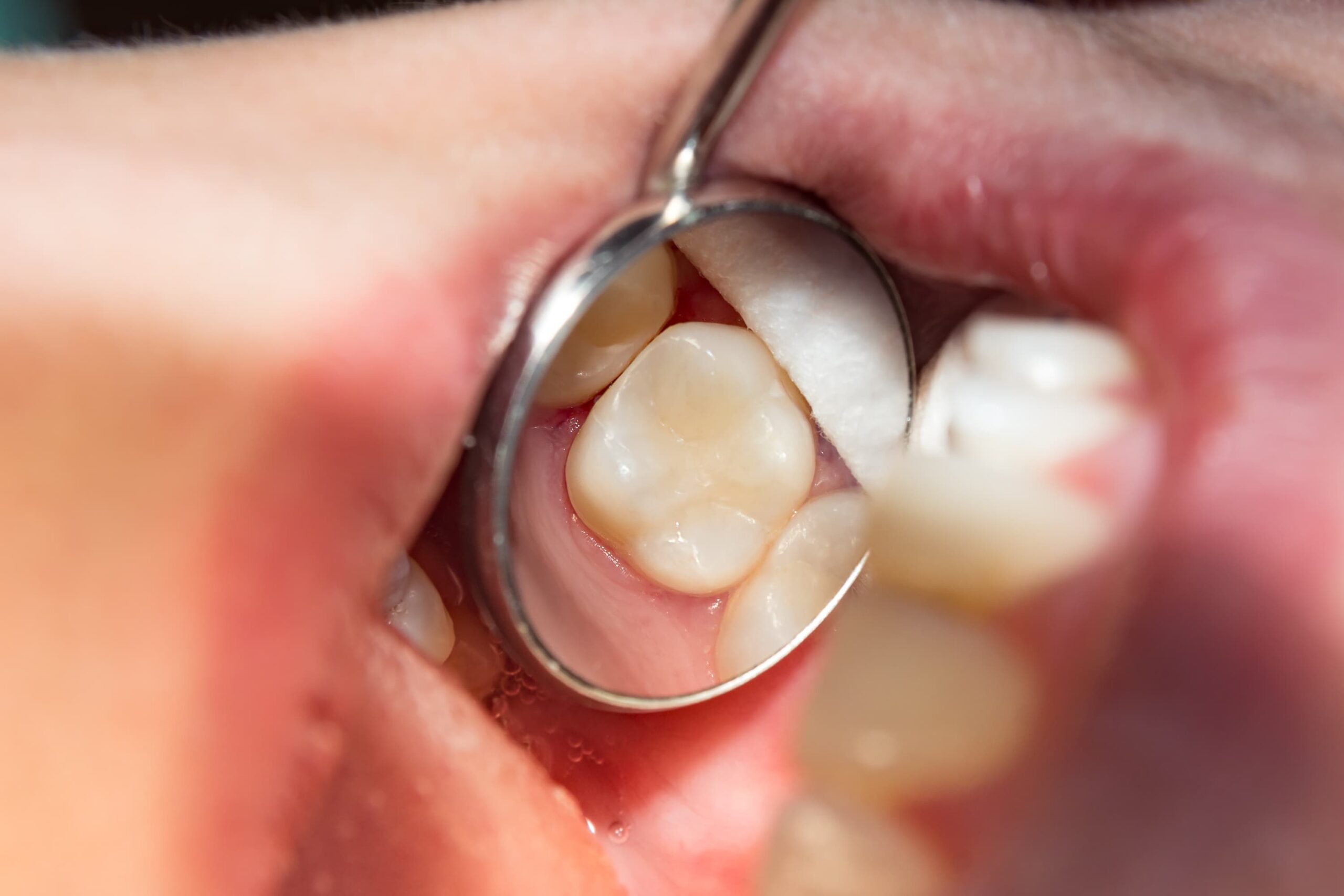
White (Composite) Fillings
White, or composite, fillings are used to restore small to medium-sized cavities. They are valued for their aesthetic appeal, as they closely match the natural color of your teeth and blend easily with your existing teeth. The dentist prepares the tooth by removing the decay, then applies the composite in successive layers before curing it with a special light.
This type of restoration not only restores the tooth’s function but also provides a discreet and natural-looking result. Although strong, it is slightly less durable than a ceramic restoration on very large surfaces or in areas subject to high pressure.
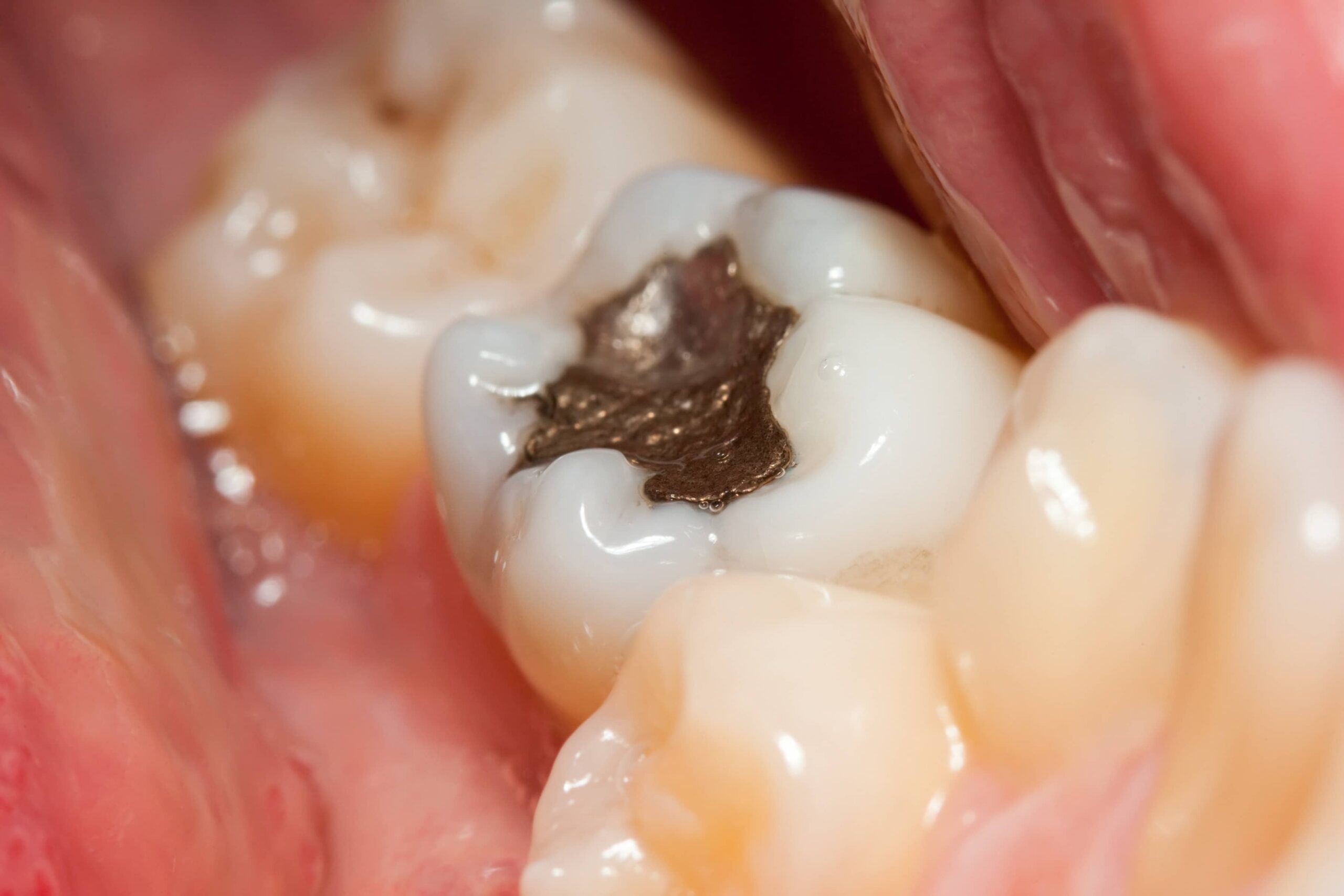
Gray Fillings (Amalgam)
Gray fillings, known as amalgam, are known for their strength and durability. They are often used in back teeth, which are subjected to significant pressure during chewing. As with white fillings, the dentist first removes the decay before filling the cavity with the material.
However, it has several limitations: it can expand over time, increasing the risk of tooth cracking; it is unattractive due to its gray color; and sometimes more healthy tooth structure must be removed, which can weaken the tooth. Its mercury content remains controversial, but according to Health Canada, there is no justification for banning its use.
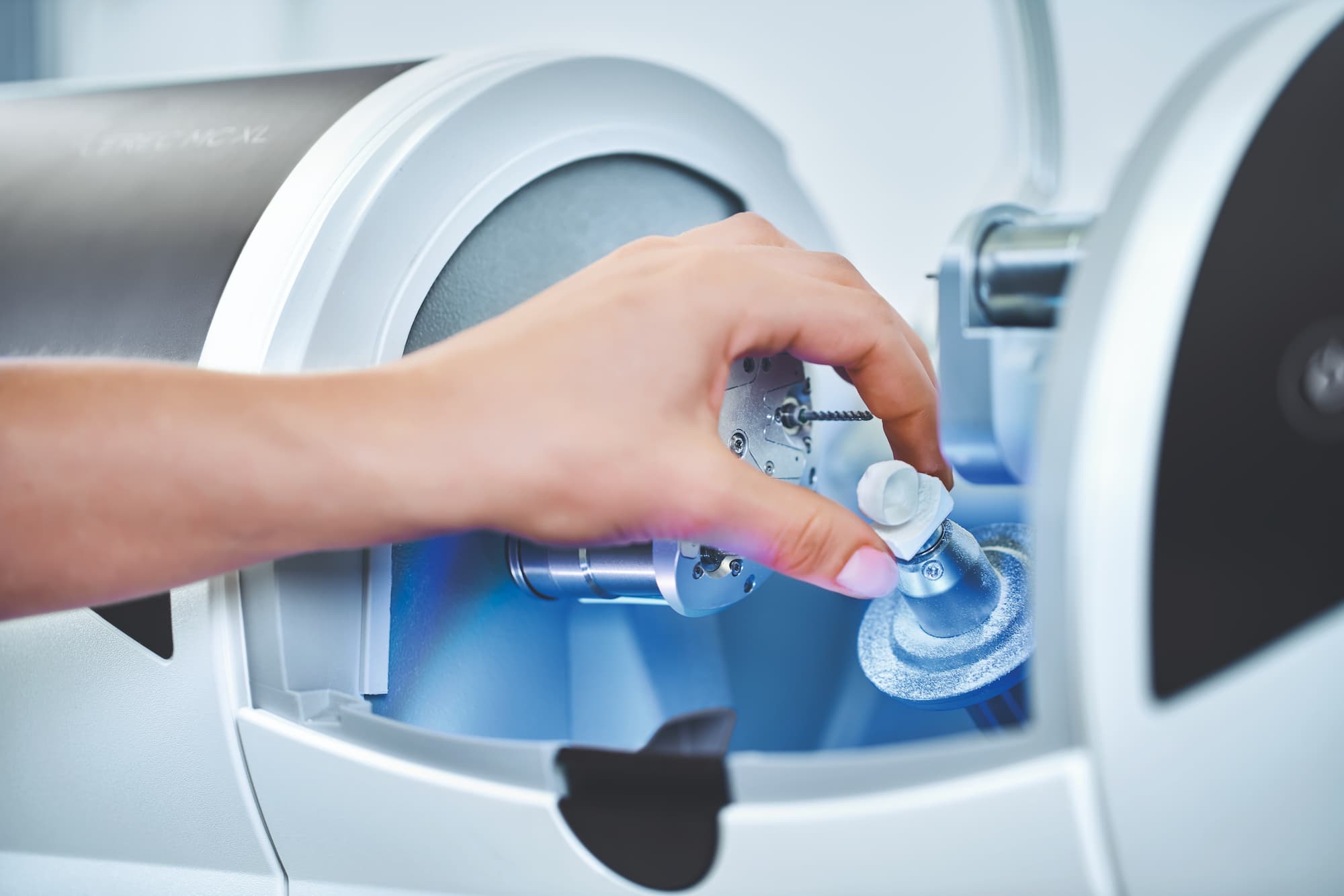
Ceramic Restorations (CEREC)
CEREC-type ceramic restorations are a more advanced option for major repairs or when a tooth has already undergone several procedures. Using state-of-the-art digital technology, the dentist can capture a 3D image of the prepared tooth, then design and fabricate a custom ceramic restoration in a single visit.
The ceramic used is extremely durable, biocompatible, and offers exceptional aesthetics, as it closely mimics the color, translucency, and texture of your natural teeth. This solution is particularly beneficial when the tooth requires a long-lasting restoration, is subject to significant forces, or when appearance is a priority.
In addition, ceramic has the advantage of better distributing chewing forces, which can help protect the remaining tooth structure.