
Family Dentistry

What is family dentistry?
Family dentistry encompasses all dental services designed for multiple generations within the same family. Unlike specialties that focus solely on children or adults, family dentistry offers:
- Preventive care for children, teens, and adults
- Restorative treatments tailored to all ages
- Ongoing care throughout dental development
This allows your family to have a single point of contact for all your dental needs—practitioners, treatment history, personalized recommendations, and more.
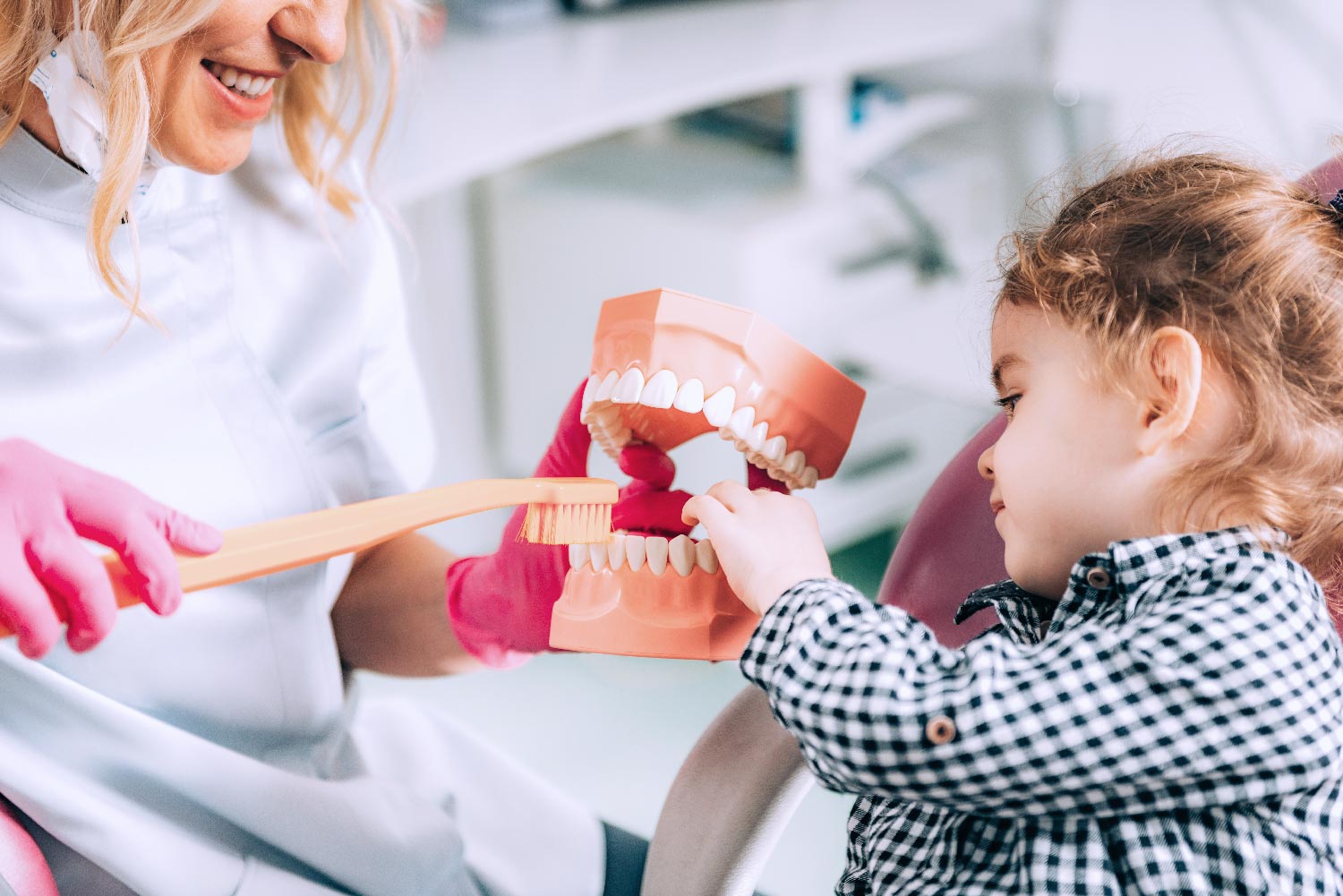
Your Child’s First Visit
The first visit to the dentist is an important moment, especially for children. Here’s how we prepare for it:
Personalized Welcome
We take the time to listen to your concerns, review each family member’s dental history, and address their specific needs.
Comprehensive Examination
The dentist checks:
- tooth development
- alignment
- oral hygiene
- habits (thumb-sucking, bottle-feeding, etc.)
- X-rays (if necessary)
These help detect issues that can’t be seen with the naked eye (cavities between teeth, impacted teeth, etc.).
Personalized Advice
Advice on oral hygiene, prevention, and nutrition to help maintain good habits at home.
At what age should you schedule your first dental visit?
The ideal time for a child’s first dental visit is about 6 months after the first tooth appears, or around their first birthday.
This first visit allows the dentist to:
- inform and reassure parents
- assess oral development
- detect certain problems early on
- familiarize the child with the dental environment
When properly prepared, this visit becomes a reassuring experience that promotes good habits in the long term.

The Role of Parents in Their Child’s Dental Health
Parents play a vital role in helping children develop good oral hygiene habits. Children learn primarily by imitation: when they see their parents taking care of their teeth, they are naturally inclined to copy those actions.
From a very young age, certain simple habits promote long-term dental health:
- Clean an infant’s gums with a damp washcloth
- Brush teeth as soon as they appear using an age-appropriate toothbrush
- Start flossing as soon as the teeth touch each otherUse the oral hygiene routine as an opportunity to
- check the child’s mouth
A positive and consistent routine helps children develop good oral hygiene habits.