
Teeth Whitening
Teeth Whitening
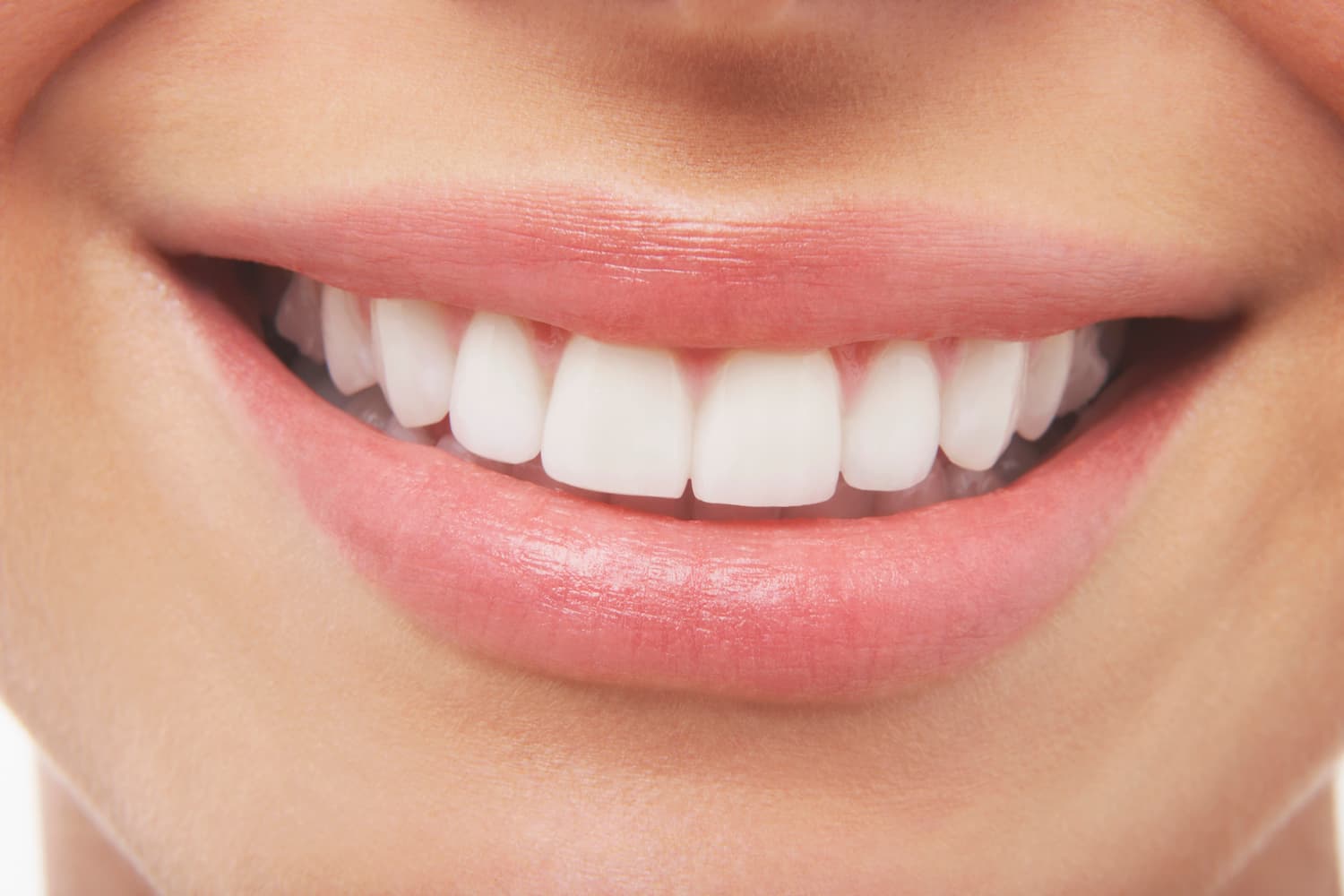
Teeth whitening lightens the natural color of the teeth and can be performed using three main methods:
- In-office whitening, performed by a dentist;
- Supervised at-home whitening;
- Internal whitening, for teeth that have undergone root canal treatment.
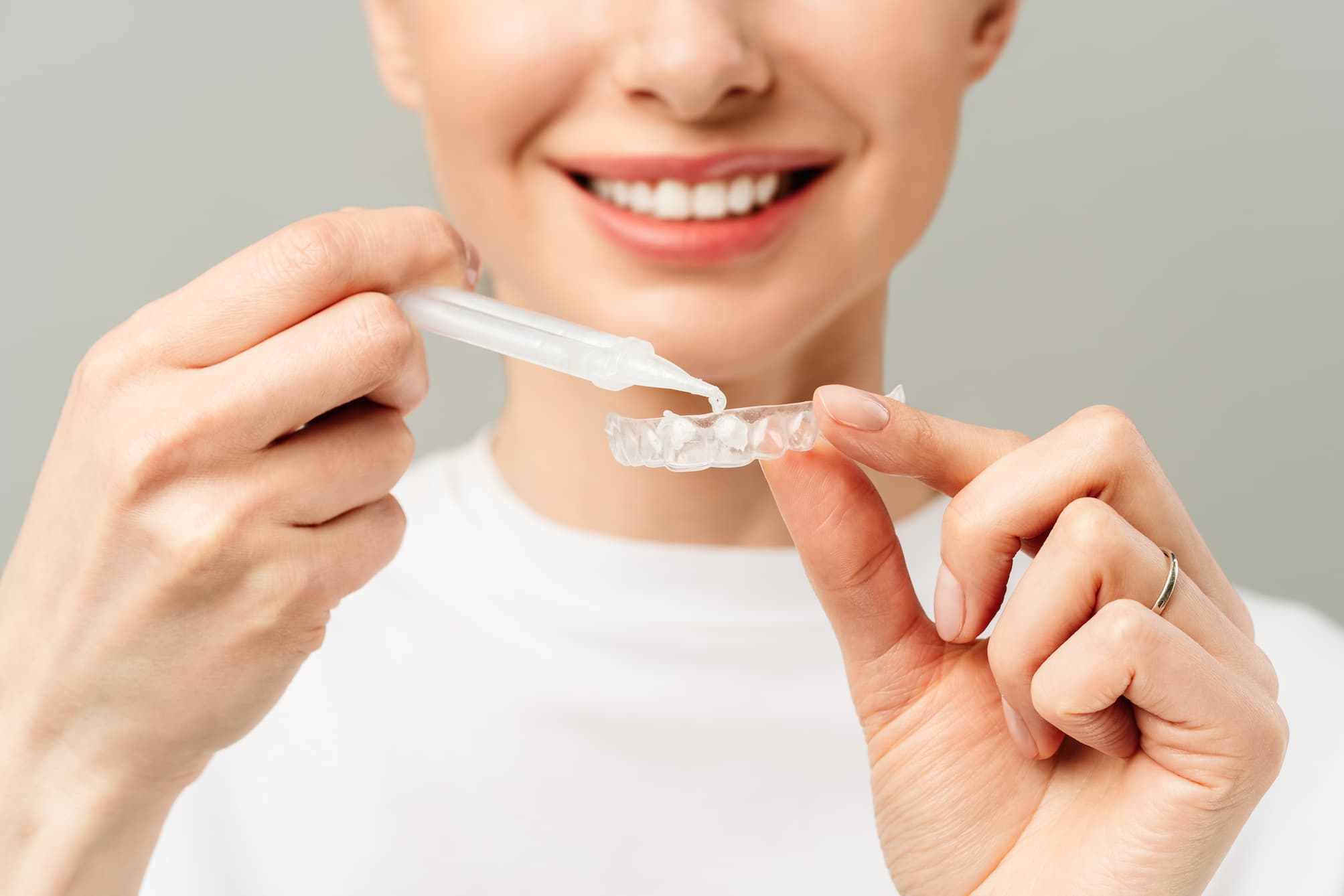
The treatment involves applying a peroxide-based product to the targeted teeth using trays customized to the shape of the patient’s teeth. The peroxide penetrates the enamel and triggers an oxidation reaction that removes stains. This method is safe and does not damage the teeth. The use of custom-made trays ensures optimal contact and effective results.
Warning! Over-the-counter products often carry risks: some are abrasive and wear down the enamel, while others, which are peroxide-based, are too weak to be truly effective. Furthermore, some non-specialized clinics offer whitening treatments without adhering to hygiene and sterilization standards, thereby exposing patients to health risks. These practices can also cause tooth dehydration, leading to significant sensitivity and temporary results.
The Benefits of Teeth Whitening
Teeth whitening offers several benefits:
- It lightens the natural shade of your teeth.
- It can selectively target certain darker or discolored teeth.
- It is effective at reducing stains caused by certain medications, such as tetracyclines.
- It helps improve self-esteem and confidence in one’s smile.
Limitations of Teeth Whitening
Teeth whitening is very popular, but it has certain limitations. The color of your teeth can be influenced by many factors, even after treatment. Natural teeth can never become perfectly white; no method can exceed the teeth’s original shade. It is therefore important to have realistic expectations, and your dentist is best suited to evaluate your teeth and advise you on possible results.
Steps in Teeth Whitening
The whitening treatment generally takes place over several appointments.
First appointment:
Initial consultation, including a review of your dental and medical history, taking impressions of the arches to be whitened (upper, lower, or both), and fabrication of the trays.
Second appointment:
You will receive the trays with the whitening gel and instructions on how to use them.
Third appointment:
If necessary, you will receive a second set of trays, and your progress will be monitored.
Aftercare Following Teeth Whitening
To prolong the results of the whitening treatment and protect your teeth:
- In the hours following the treatment, avoid foods and beverages that stain easily (coffee, tea, red wine, etc.) and reduce smoking as much as possible.
- For at-home whitening, touch-up syringes are often available at the clinic to maintain the results (usually once a year).
- Maintain a rigorous oral hygiene routine: brush 2 to 3 times a day, floss, use interdental brushes, and use mouthwash if necessary.
- See your dentist twice a year for a comprehensive exam and a professional cleaning.
Contraindications for Teeth Whitening
Teeth whitening is not recommended in the following situations:
- Active gum disease, such as periodontitis.
- Untreated cavities.
- Planned orthodontic treatment, as the whitening trays will no longer fit properly as the teeth shift position.
- Children under 12 years of age or whose permanent teeth have not yet fully erupted.
- Teenagers under 18 years of age, as jaw growth can affect the fit of the trays.
- Pregnant or breastfeeding women, as peroxide can cross the placenta or pass into breast milk.
- Patients with existing dental restorations (veneers, crowns, bridges) that they do not wish to or cannot replace.
- Smokers, as whitening may interact with substances in cigarettes, resulting in less long-lasting results.
A dentist is the best person to determine whether a patient can safely undergo a whitening treatment.