
Invisalign® Invisible Orthodontics
What is Invisalign® orthodontic treatment?
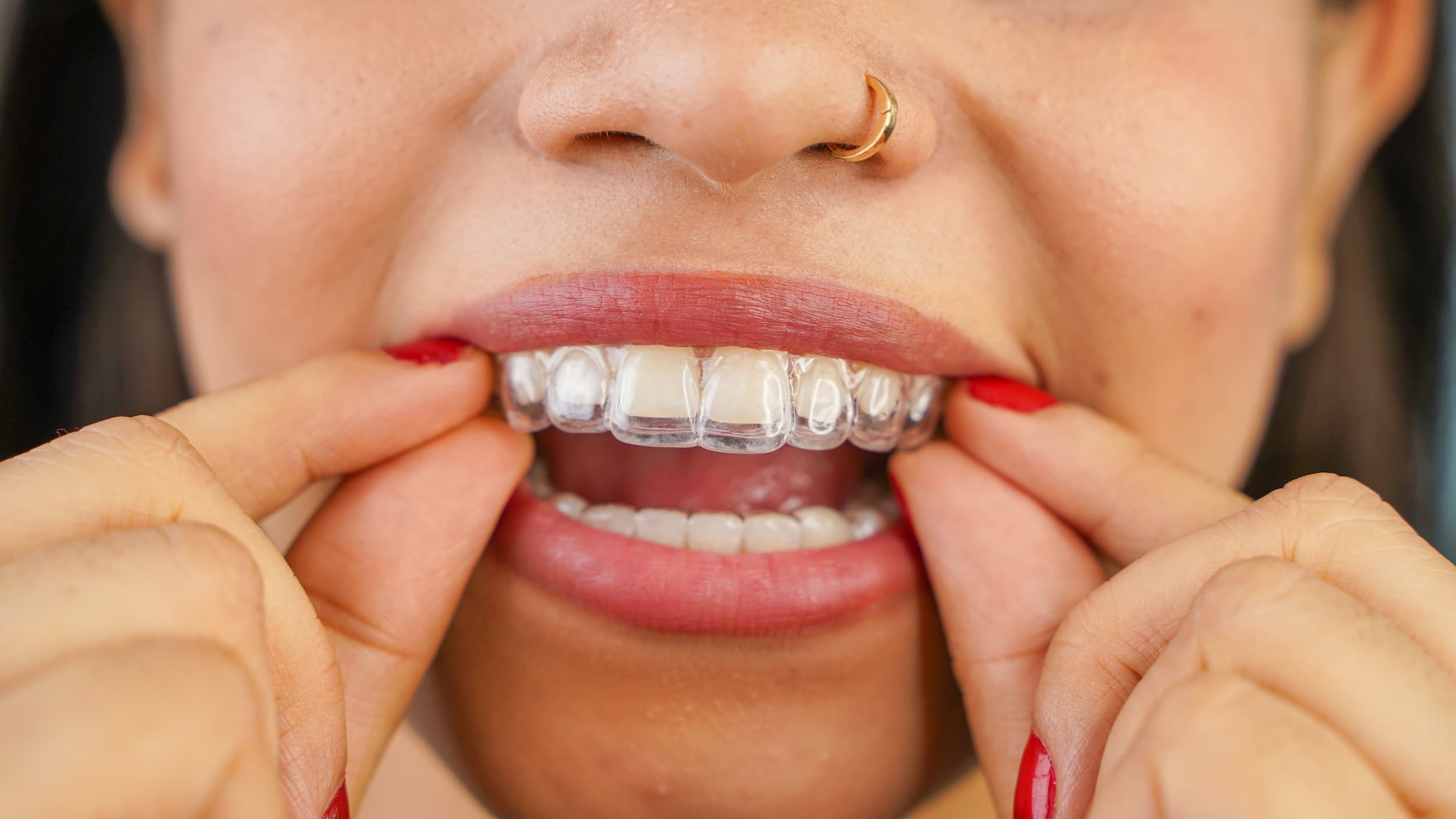
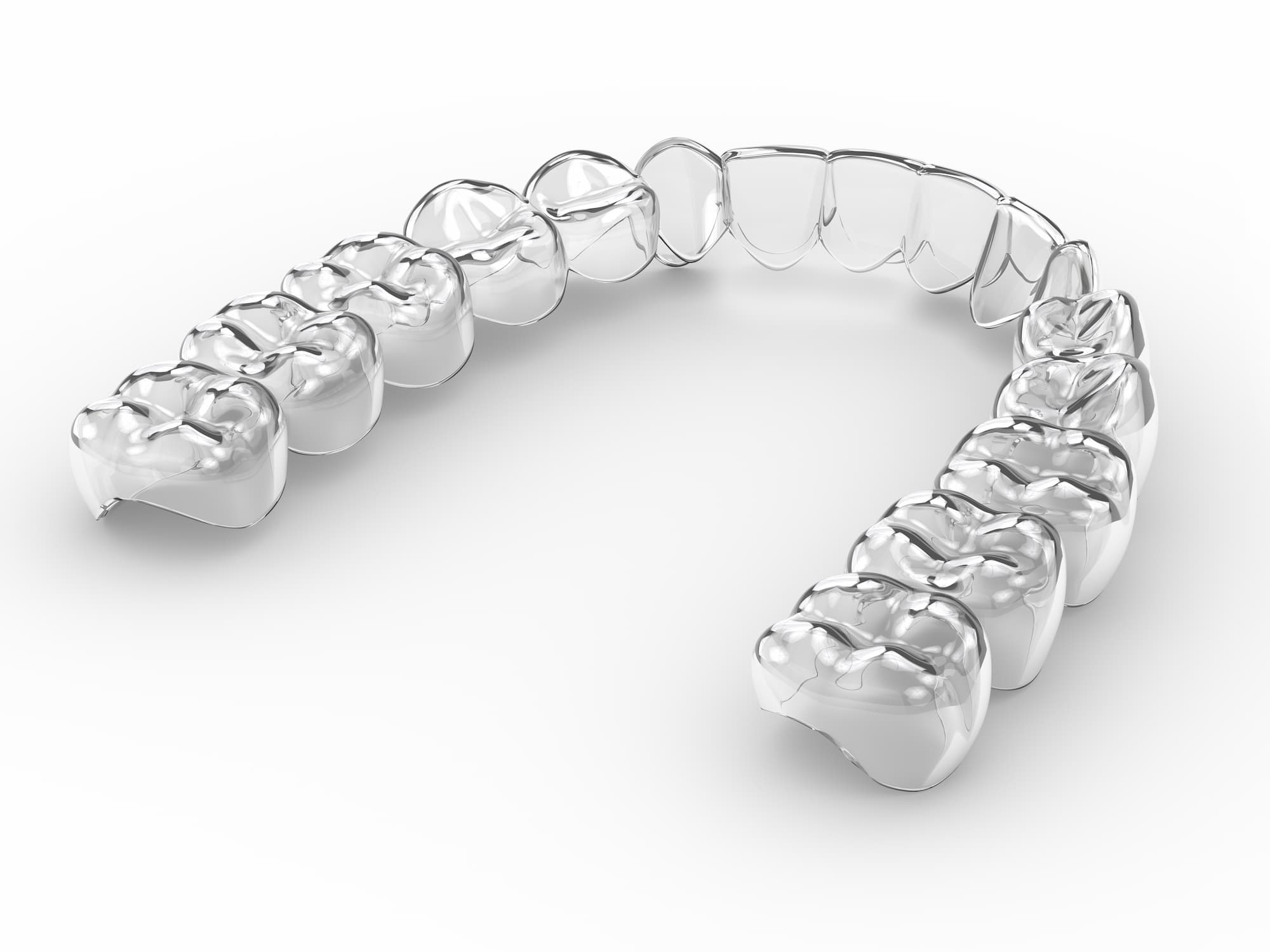
Invisalign treatment is a discreet alternative to conventional metal braces. This approach involves designing a series of clear aligners, custom-made to fit the shape of the teeth perfectly.
The aligners are replaced approximately every two weeks with a new set, adjusted with millimeter precision, allowing for gradual and controlled tooth movement. At each stage of the treatment plan, the planned adjustments gradually guide the teeth toward the final position determined by the orthodontist.
Benefits of Invisalign® Technology
- No metal or wires, for a discreet and aesthetically pleasing solution
- Greater comfort compared to fixed braces
- Removable aligners, making eating and oral hygiene easier
- No food restrictions since the aligners can be removed as needed
- Positive impact on self-confidence thanks to their near-invisibility
- Fewer in-office adjustments required
Treatment Process
- A dental impression is taken to assess the feasibility of teeth alignment using Invisalign®.
- If treatment is feasible, a personalized 3D treatment plan (ClinCheck) is created to simulate the gradual movement of the teeth throughout the treatment.
- Once the plan is approved, the clear aligners are manufactured in the lab, and treatment can officially begin.
Caring for Your Invisalign® Aligners
- Avoid smoking, as it can cause stains or discoloration on the aligners.
- It is recommended that you avoid chewing gum, as it may stick to the aligners.
- No foods are strictly prohibited, since the aligners are removed before eating. However, it is essential to brush your teeth and floss after every meal before putting the aligners back in.
Treatment Limitations
- Invisalign technology is designed for permanent teeth and is not suitable for baby teeth.
- Excessive tooth movement may make this approach inappropriate.
- The success of treatment depends heavily on the patient’s cooperation; the patient must wear the aligners as instructed, day and night, except during meals and when brushing. Follow-up visits are generally scheduled every four to six weeks.
- If there is insufficient space in the dental arch for complete alignment, extraction of one or more teeth may be necessary, although this is not always ideal.
- Tooth positioning must take into account space for the tongue, lingual inclination, lip support, and the temporomandibular joint so as not to compromise oral function.